

Why Industrial Facilities Can’t Afford to Ignore Unified APM Platforms in 2026

Introduction

In today’s asset-intensive industries, from manufacturing plants to energy production facilities, the margin for error is razor-thin. Any unplanned equipment downtime, loss of production, or unexpected maintenance can translate to millions of dollars, safety risks, and reputational damage. This makes it critical that industrial facilities adopt a unified APM platform — a comprehensive solution that brings together data, analytics, and maintenance into a single, intelligent system.

When that platform includes APM platform AI-driven maintenance recommendations, the benefits multiply. By 2026, ignoring such a system is no longer an option — it’s a business risk.

What Is a Unified APM Platform?

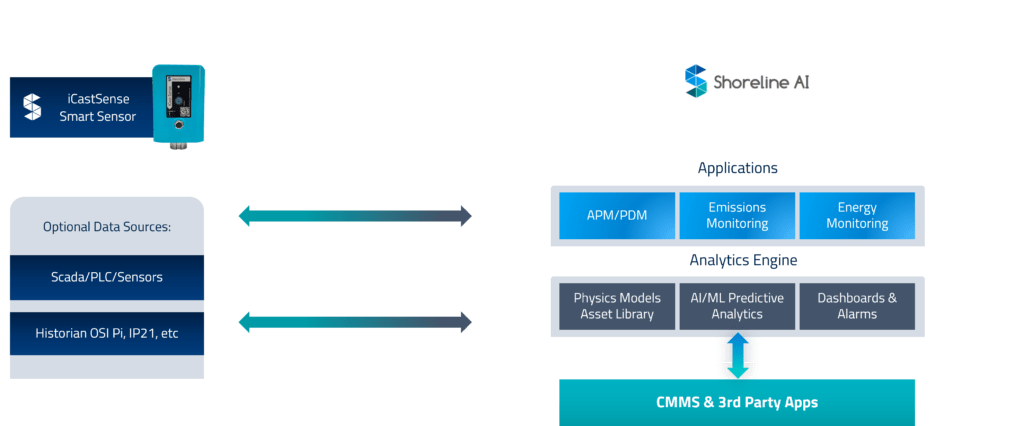
An APM platform (Asset Performance Management platform) is a software foundation that aggregates data from equipment, sensors, control systems, and maintenance records. It provides real-time visibility into asset health, performance, and risk.

A unified APM platform goes beyond traditional point solutions by integrating multiple functions — condition monitoring, reliability analytics, risk-based inspection, maintenance planning, and operational optimization — into one system.

Unlike earlier fragmented systems, a unified APM platform combines predictive analytics, digital twins, and automated workflows to deliver actionable insights and prevent costly failures.

Why the Shift to “Unified” Matters for 2026

In past years, many facilities used disconnected tools: a CMMS for work orders, a separate condition-monitoring system for sensors, and isolated dashboards for analytics. Silos hamper efficiency, slow decision-making, and leave risks undetected.

With the rise of AI, cloud systems, and industrial IoT, a fragmented approach is no longer sufficient. A unified APM platform has become the backbone of proactive asset management — ensuring continuous optimization rather than reactive maintenance.

By 2026, every high-performance facility will rely on real-time, intelligent maintenance decisions — powered by APM platform AI-driven maintenance recommendations.

The Role of AI-Driven Maintenance Recommendations

One of the most transformative features of a modern APM platform is the inclusion of APM platform AI-driven maintenance recommendations.

Rather than waiting for alarms or performing time-based maintenance, AI analyses vast streams of data — sensor inputs, historical failures, usage patterns, and environmental conditions — to recommend the right maintenance action at the right time.

For instance:

  • AI can detect subtle anomalies in vibration or temperature long before breakdowns occur.
  • The platform can automatically generate work orders, suggest spare parts, and schedule maintenance during low-impact windows.
  • It shifts maintenance from reactive (fix when broken) to predictive (fix before it breaks).

An APM platform with AI-driven maintenance recommendations enables smarter decisions, reduced downtime, and greater asset reliability.

Five Critical Reasons Industrial Facilities Should Adopt It in 2026

  1. Reduce Unplanned Downtime:
    Unplanned downtime is among the most costly issues for industrial facilities — lost production, idle labor, and safety incidents. A unified APM platform helps detect issues ahead of time and schedule maintenance proactively.
    AI-powered monitoring can reduce unplanned downtime by up to 50%. With 24/7 visibility, early detection prevents sudden breakdowns and operational losses.
  2. Optimize Maintenance Costs and Resource Utilization:
    Traditional time-based maintenance often leads to over-servicing or unexpected failures.
    Through APM platform AI-driven maintenance recommendations, maintenance happens only when needed — minimizing waste, optimizing labor schedules, and reducing spare-part costs.
    Many industries report a 20–30% reduction in maintenance expenses after implementing unified APM systems.
  3. Extend Asset Life and Improve Reliability:
    Assets exposed to excessive stress degrade faster.
    A unified APM platform monitors conditions continuously and prescribes preventive actions to maintain optimal performance.
    This not only extends asset lifespan but also boosts reliability and production efficiency across the plant.
  4. Enable Digital Transformation and Future-Readiness:
    By 2026, digital transformation will define industrial competitiveness.
    A unified APM platform serves as the digital backbone that connects IoT sensors, control systems, and analytics tools.
    With built-in AI-driven maintenance recommendations, it enables predictive insights, seamless integration, and data-driven decision-making.
  5.  Improve Safety, Compliance & Sustainability:
    Equipment failures lead to safety hazards, emissions, and regulatory violations.
    An APM platform continuously monitors critical parameters and alerts operators to potential risks before they escalate.
    Predictive actions reduce accidents, ensure compliance, and contribute to sustainability goals by minimizing energy waste and emissions.

Challenges to Adoption (and How to Overcome Them)

While the case for adopting unified APM platforms is strong, organizations often face a few challenges:

    • Legacy Systems: Integrating old equipment and siloed data sources.

    • Data Quality: Incomplete or inconsistent data reduces AI accuracy.

    • Cultural Resistance: Maintenance teams accustomed to manual methods.

    • Initial Costs: Investment in sensors, software, and training.
      .

To overcome these, facilities should start small — focusing on critical assets first — and gradually scale the APM platform across the organization. Cloud-based solutions and modular deployments make adoption easier, faster, and more cost-effective.

Once implemented, the ROI becomes clear within a year: lower maintenance costs, reduced downtime, and higher operational efficiency.

What to Look for in Your Unified APM Platform

When choosing an APM platform for 2026 and beyond, look for these key features:

  • Integration: Must connect seamlessly with IoT sensors, CMMS, and ERP systems.
  • AI-Driven Recommendations: The platform should deliver precise APM platform AI-driven maintenance recommendations rather than just alerts.
  • Real-Time Monitoring: Continuous insight into asset performance and health.
  • Scalability: Should support multiple sites and asset types.
  • User-Friendly Dashboards: Easy-to-understand analytics and visualizations.
  • Risk Prioritization: Rank assets based on their criticality and operational impact.
  • Performance Metrics: Must track MTBF, MTTR, and OEE to measure maintenance success.

A well-chosen unified APM platform will serve as both the brain and nervous system of your industrial operation.

Conclusion

In 2026, industrial facilities can no longer afford to treat asset performance as an afterthought. The complexity of modern operations demands continuous insight, predictive intelligence, and automation.

A unified APM platform equipped with APM platform AI-driven maintenance recommendations ensures operational excellence, cost control, and sustainability. It minimizes risks, extends asset life, and empowers teams to make data-driven decisions.

For industries aiming to stay competitive in the age of digital transformation, adopting a unified APM platform isn’t optional — it’s essential.

What Are the Benefits?

Our solution is highly scalable and affordable.

  • Domain Expertise is Built-in, eliminating the need and expense of experts, analysts and data scientists all other solutions require to install a solution, configure assets and interpret data.

  • Fast Time to Value – Plug & Play is realized with a proven, fully automated solution that delivers immediate results – from sensor installation to actionable knowledge in hours, not weeks or months.