


The Simple Sensor-to-Cloud Guide: Eliminating Gateways for a 100% Cloud-Native APM

For decades, industrial systems have relied on a linear data flowsensors → gateway → server → cloud. This architecture worked well when connectivity was expensive and computing power limited. But in a modern, data-driven world, gateways are quickly becoming bottlenecks.

Gateways add complexity. They introduce latency, additional failure points, and ongoing maintenance requirements. Firmware updates, protocol mismatches, and limited scalability all slow down how fast data reaches your analytics systems.

As industries digitize, these layers of hardware and management are no longer sustainable. The future is direct: sensor-to-cloud communication, where smart devices send data straight to a cloud-native APM platform — instantly, securely, and without the middleman.

Enter Smart Sensors — The Backbone of Cloud-Native APM

Smart sensors are the foundation of this shift. Unlike legacy sensors that merely capture data, smart sensors process, analyze, and communicate directly with the cloud.

They come equipped with microcontrollers and embedded intelligence, enabling them to run edge analytics, perform local decision-making, and transmit insights via IoT protocols like MQTT or HTTPS — bypassing traditional gateways entirely.

With smart sensors, data doesn’t just move faster; it becomes actionable faster. When these sensors feed directly into an APM platform, organizations gain continuous visibility into asset health without manual intervention or gateway maintenance.

Key advantages include:

    • Reduced hardware overhead: no gateways or intermediary devices.

    • Faster insights real-time transmission of condition and performance data.

    • Lower costs  fewer components mean lower capital and maintenance expenses.

    • Simplified scalingeasily onboard new sensors as operations expand.

The 3 Pillars of a 100% Cloud-Native APM Architecture

Achieving a truly cloud-native APM environment requires three essential components working together:

  1. Direct Connectivity
    Smart sensors securely connect to the cloud using lightweight IoT protocols. Data streams continuously without dependence on physical gateways, creating a low-latency, high-availability environment.

  2. Data Standardization
    Consistent data formatting across sensors ensures interoperability. This unified schema enables seamless ingestion, visualization, and analytics within your APM platform.

  3. Scalable Intelligence
    In the cloud, models can scale dynamically. As more data flows in, predictive analytics grow smarter — continuously learning from every connected asset.


Imagine vibration or temperature data moving directly from a sensor to a predictive maintenance dashboard within seconds. That’s the power of a sensor-to-cloud architecture.

Benefits of Going Gateway-Free

Eliminating gateways isn’t just a technical upgrade — it’s an operational leap forward.

1. Reduced Costs

Gateways require hardware, configuration, and regular updates. By removing them, organizations cut both capital expenses and maintenance overhead.

2. Enhanced Scalability

Adding new devices no longer requires reconfiguring network hierarchies. Each smart sensor connects directly, simplifying deployment across multiple sites.

3. Improved Security

 Modern IoT sensors use cloud authentication and encryption, replacing outdated gateway security layers. This means fewer attack surfaces and greater data integrity.

4. Faster Insights

 Without hardware bottlenecks, data moves seamlessly to analytics engines — enabling instant condition monitoring and predictive maintenance triggers within your APM platform.

Real-World Application Predictive Maintenance in Action

Picture a manufacturing line equipped with smart sensors monitoring vibration and temperature across rotating equipment.

Traditionally, this data would first flow through a local gateway, processed intermittently before reaching the cloud — often delayed or incomplete.

With sensor-to-cloud integration, those same smart sensors transmit data directly to the APM platform in real time. The system detects anomalies, forecasts potential failures, and sends alerts before downtime occurs — automatically scheduling maintenance through integrated workflows.

The result: higher uptime, consistent visibility across plants, and fewer human dependencies in the maintenance chain.

How Shoreline AI Powers Gateway-Free Asset Intelligence

Shoreline AI  is redefining industrial asset intelligence with a cloud-first, gateway-free approach.

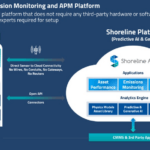
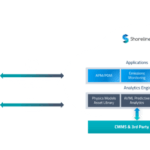
Our APM platform is built to handle direct sensor-to-cloud connectivity at industrial scale. By combining advanced IoT data ingestion with predictive analytics, Shoreline AI unifies every aspect of asset monitoring — from data capture to actionable insight.

What Are the Benefits?

Our solution is highly scalable and affordable.

  • Domain Expertise is Built-in, eliminating the need and expense of experts, analysts and data scientists all other solutions require to install a solution, configure assets and interpret data.

  • Fast Time to Value – Plug & Play is realized with a proven, fully automated solution that delivers immediate results – from sensor installation to actionable knowledge in hours, not weeks or months.